
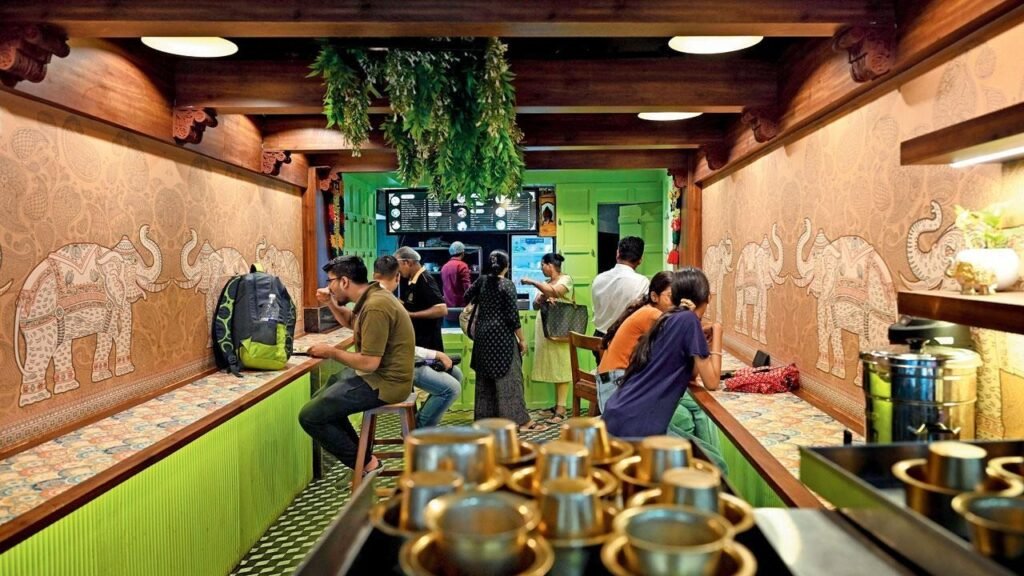
Starting a restaurant or cloud kitchen is an exciting venture. Here are the essential steps you need to take to set your food business up for success, from business planning to operational setup.
Opening a restaurant or cloud kitchen is more than just preparing food — it’s about creating an experience for your customers while managing a profitable business. Whether you’re opening your first restaurant or starting a cloud kitchen from scratch, there are key steps you must follow to ensure long-term success. Below, we break down the most important steps every food entrepreneur should take before launching their food business.
1. Create a Comprehensive Business Plan
A solid business plan is the foundation of any successful restaurant or cloud kitchen. This business strategy document outlines your vision, objectives, target audience, market research, and financial projections. It’s not only essential for securing funding but also to ensure you stay on track during the early stages of your business. Make sure to include key elements such as:
For a traditional restaurant, location is key. High foot traffic areas near business hubs, schools, or shopping malls can be prime spots for success. However, for a cloud kitchen, location matters less — the focus should be on efficient kitchen operations and delivery logistics. You need to ensure that your location has access to delivery platforms (if cloud kitchen) or ample dining space (if restaurant).
You’ll need several licenses and permits to legally operate your restaurant or cloud kitchen. The requirements vary by region but often include health permits, food safety certifications, and business registration. Research the local regulations and ensure you have the correct paperwork before opening.
For both restaurants and cloud kitchens, the menu plays a critical role in customer satisfaction. Develop a menu that reflects your brand identity while considering food costs and profitability. Kitchen layout optimization ensures smooth operations in a cloud kitchen and efficient service in a restaurant setting.
Whether you’re bootstrapping, seeking investors, or applying for business loans, securing funding for your restaurant is a critical step. You need a solid financial plan to cover initial costs like renovation, equipment, and staff. Don’t forget to plan for ongoing operational costs, too.
Hiring and training the right staff is crucial. For cloud kitchens, focus on hiring chefs, kitchen staff, and logistics coordinators. For restaurants, staff needs include chefs, waiters, managers, and dishwashers. Provide adequate training on your business culture, menu, and customer service standards to ensure consistency and quality.
In today’s digital world, having an online presence is essential for food businesses. Build a restaurant website, optimize for local SEO, and list your business on platforms like Google My Business. Start an active social media presence on Instagram, Facebook, and review platforms like Yelp to build buzz before launch.
By following these key steps, you’re setting up your restaurant or cloud kitchen for a smooth launch and long-term success. Don’t rush through these processes take the time to get each step right. Whether you’re new to the food industry or an experienced restaurateur, these foundational steps are crucial for building a thriving food business.